Surfboat history
The story of how South Coast Surfboats revolutionised surfboat racing — as recalled by Gus MacDonaldAs recalled by Gus MacDonald and edited by Gary Pettigrove
South Coast Surf Boats (SCSB) was founded in early 1985 by Graham (Gus) MacDonald, with subsequent owner Ron Kelly, and is now owned by Jase Bean. Gus had a dream to build fibreglass surfboats that were safer for rowers — totally innovating the internal fit out of surfboats to make them safer to race, which eventually received SLSA approval.
Gus’ dream was to replace all the wood in the internal fit out with a composite fibreglass inner shell, with sealed compartments creating significant buoyancy. This allows surfboats to float above sea level when full of water, with a channel down the centre to concentrate water and allow two pumps to remove it — improving stability and preventing water splashing about as the boat goes through surf and chop.
The traditional wooden boats had a large manual maintenance requirement. Crews had to sand and revarnish every winter to keep them seaworthy and light. These wooden surfboats had wooden thwarts, wooden knees and curved wooden ribs that protruded towards the centre where rowers would hit their elbows, legs and stub their toes. Every time a large wave was caught, water would run freely to the front of the boat making it more difficult for the sweep to steer and hold the boat straight. Gus realised that a fibreglass composite surfboat could be built without these protrusions and with sealed bulkheads — making surf boats safer for rowers, sweeps and racing crews alike.
First composite fibreglass boats
The first experience boat builders had with fibreglass in surf boats was a fibreglass external skin overlaying the wooden ply sheets of the hull, with a standard wooden internal fit out. This provided additional strength and improved resilience but the inside safety issues remained. These fibreglass skin boats were offered by Rodger Ninham, Matt Clymer and Bob Miles.
One of the first composite fibreglass surfboats Ninham built was the “Stegbar 2” which went to Moruya. Rodger then built “Stegbar 3” from wood for Moruya, feeling the wooden boat was better than the fibreglass mould version. This “Stegbar 3” was a very successful surfboat for Moruya — they won state and Australian medals in it. It was this wooden “Stegbar 3” that Gus used as a model for the plug. From this plug, Gus built the “Red Gelcoat” mould and used this to build the new safer South Coast Surf Boats. This Red Mould is still used by South Coast Surfboats today.
Bob McClelland was a very early adopter of fibreglass hull surfboats with both bulkheads sealed. Gus got to thinking — why not have lots of sealed components under all the seats and thwarts to make boats even safer? Bob McClelland later obtained the Rodger Ninham “Black Mould” after Rodger passed away, and continued developing the concept toward the “unsinkable surfboat”.
SLSA approvals
Gus needed to have his design approved by the SLSA Boat Panel and for 10 months he attended meetings at SLSA headquarters in Brighton Le Sands. After lengthy discussions with the Boat Panel and other surfboat builders about specification changes, they approved the composite concept. The SLSA variation to specification that Gus got approved in 1986 was no. 457/86.
During the discussions Gus made a range of models to demonstrate how composite structures could replace wooden knees and be just as strong. The outcome of these discussions totally changed the internal layout of surfboats. Today’s surfboats still follow these build specifications — with many sealed compartments providing buoyancy, rigidity and safer rowing conditions.
The First South Coast Surfboat
In 1986, South Coast Surfboats began building surfboats from the Red Mould. Construction was fibreglass composite hull and internal shell with wooden gunwales and stainless-steel rowlock holder extensions.
The first fibreglass composite South Coast Surfboat was a demonstration boat and Ross Jorgensen and crew were the first to row it. Ross gave his approval and this first boat was purchased by the Felkin Family Caravan Park in Broulee together with Ampol as a sponsor — and so this first South Coast Surfboat went to Broulee Surfers SLSC.
The second South Coast surfboat was built in 1987 for Moruya SLSC and named “Stegbar 4”. The internal boxed fit out is still similar to new South Coast Surfboats built today.
Composite fibreglass becomes the norm
The composite fibreglass inner shell was quickly and enthusiastically accepted. The main advantage was the vastly reduced amount of water a boat could take on board when hit by a wave. Together with two powerful pumps it was easier to empty the boat before the next wave. A good wooden surfboat would usually race for 3 to 4 years in the 1980s before being replaced. Today we see fibreglass composite boats over 10 years old and still going strong at the Aussies.
Keel size innovation
When Gus started building surfboats in 1986, the keel started at the bow and ended as a very deep structure aft of the stroke footrest. Gus knew that sweeping a surfboat was not the same as steering the front of a boat in normal craft — the long deep keel actually worked against the action of sweeping.
Following many experiments, he found a small half-moon keel about 1m long and 70mm deep, positioned under the stroke footrest, worked really well. Not only did the smaller keel make the boat easier to sweep but it also allowed the back of the boat to swing around much faster in a buoy turn. Gus’ reasoning was simple: the smaller the keel, the easier to sweep, the safer the surfboat.
Subsequent owners continue the innovation
Gus went on to make approximately 20 surfboats. His last boat was built for Mollymook SLSC. South Coast Surfboats was sold in late 1991 to Ron Kelly, the Mollymook Boat Captain, who continued to build the same style surfboats and was the first surfboat builder in Australia to develop the single skin hull with foam glass gunwales.
Ron Kelly went to SLSA in 1992 and got approval to build a single skin fibreglass hull. He successfully replaced the wooden gunnels with composite fibreglass — the same technique used in all new surfboats today. Ron Kelly sold South Coast Surfboats to the Bean Family Company in 2006 and it is now managed by Jase Bean. Gus’ innovations and traditions continue.
Since then
Gus got approval from Paul Schott, the SLSA Boat Panel, for a lowered sweep deck on the Clymer boat in 2013. The lowering of the stern deck made the Clymer boat easier for sweeps to steer and easier to get into position at the start of a race. In 2014 Clymer offered this lower stern as a standard option on all new boats.
Gus takes huge pride seeing the surfboats at carnivals along our coast using his innovations — innovations he fought so hard for in the 1980s to make surf boats safer.
Our named craft
The Club has named a number of its craft after members who have made outstanding contributions to the Club over many years. Click below to read their stories.
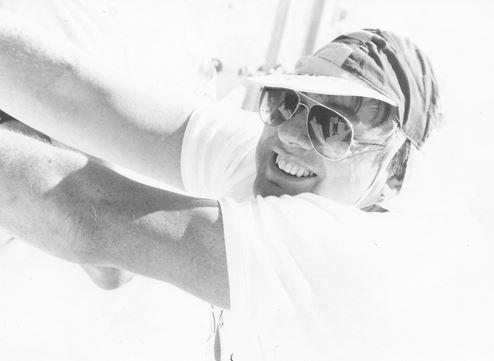
Gus MacDonald South Coast Surfboats
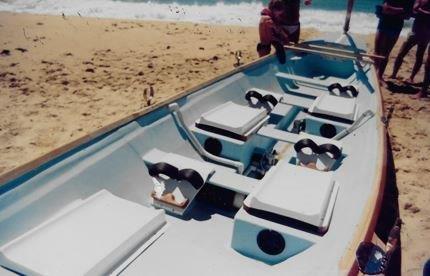
Internal fitout South Coast Surfboat
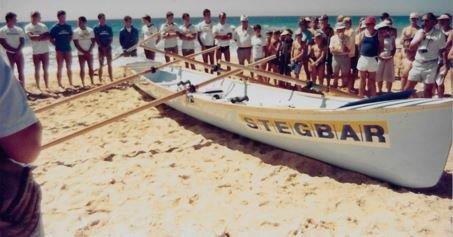
Stegbar 4 Surfboat for Bert Hunt
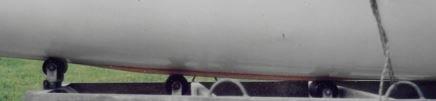
South Coast Surfboat short deeper keel
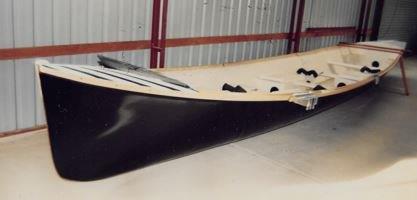
South Coast new boat Black
South Coast Logo
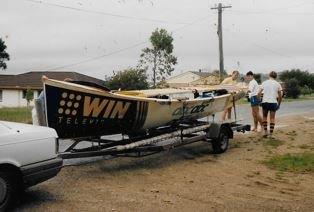
New South Coast Surfboat Win TV
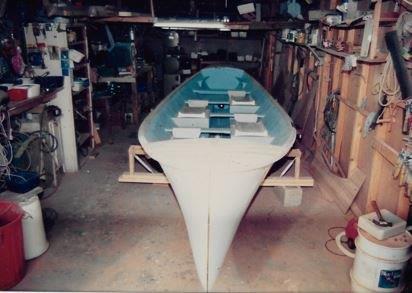
New Boat in progress in South Coast Shed

Justin McCarthy, Nick Dixon, Shelly Dixon with Auburn Bowls Reps Sponsors of Broulee
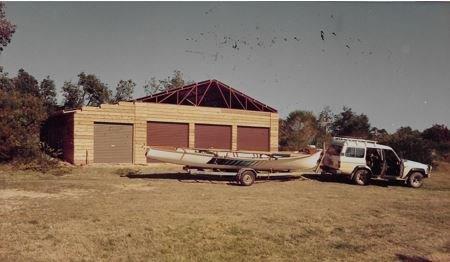
Broulee Surfboat with Nick Dixon at old Broulee Sheds
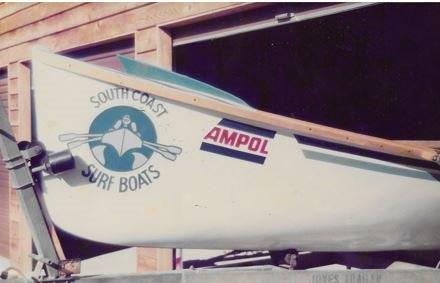
Ampol Broulee Surfboat
Broulee Surfers Surf Life Saving Club
Heath Street, Broulee NSW 2537
PO Box 5005 Broulee 2537
📞 02 4471 6657 (Summer weekends)
✉ admin@brouleesurfersslsc.org.au
Beach patrols: September to April
Weekends and public holidays
© 1979–2026 Broulee Surfers Surf Life Saving Club. All rights reserved.